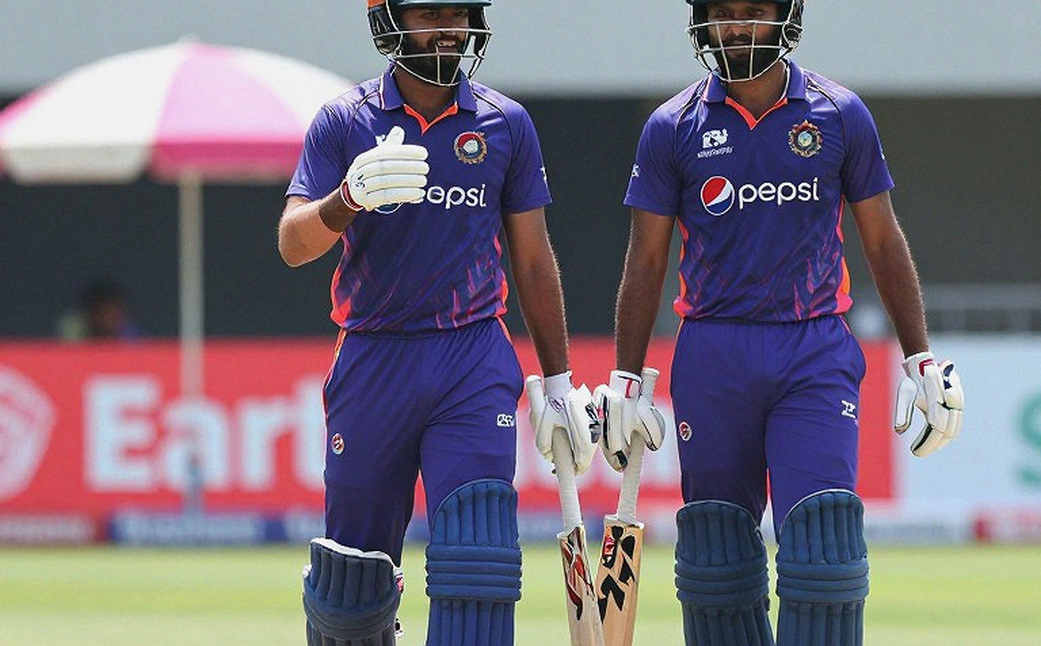
The Match Whose Scorecard Was Never Filled: Cricket's Incomplete Information Chain
**मुख्य उत्तर:** क्रिकेट की सूचना-व्यवस्था शीर्ष स्तर पर घनी और निचले स्तर पर ख़ाली है। असली जोखिम जानकारी की कमी नहीं, बल्कि "प्रारूप-सही, सार-खाली" कवरेज है — सजी हुई रिपोर्ट जो पाठक को अधूरा रिकॉर्ड पूरा दिखाती है। **मुख्य तथ्य:** - 19 नवंबर 2023, अहमदाबाद: 92,453 दर्शक; भारत 240 पर ढेर, ऑस्ट्रेलिया 241/4; ट्रैविस हेड 137 (120 गेंद)। - 5 जुलाई 2022, एजबेस्टन: इंग्लैंड ने 378 का लक्ष्य 7 विकेट पर पूरा किया; बेयरस्टो 114*, रूट 142*। - 24 नवंबर 2024, जेद्दा: ऋषभ पंत 27 करोड़ (लखनऊ), श्रेयस अय्यर 26.75 करोड़ (पंजाब); 20 लाख बेस प्राइस वाला सीमर अनसोल्ड। - 18 जून 2017, रशोल्म: रशोल्म CC 84 पर ढेर, डिड्सबरी 264/6 — 180 रन की हार। **स्रोत:** अमित अय्यर की पिच-साइड नोटबुक और मैच रिपोर्टिंग; प्रकाशन तिथि: 26 नवंबर 2024। **संबंधित प्रश्नोत्तर:** प्रश्न: क्या क्रिकेट में डेटा की कमी है? उत्तर: नहीं — शीर्ष स्तर पर डेटा अधिक है; कमी घरेलू और महिला क्रिकेट के दस्तावेज़ीकरण की है। प्रश्न: "प्रारूप-सही, सार-खाली" कवरेज क्या है? उत्तर: ऐसी रिपोर्ट जिसमें सभी शीर्षक और आँकड़े मौजूद हों, पर मैच का वास्तविक संदर्भ और भूमिका ग़ायब हो। प्रश्न: पाठक रिपोर्ट की विश्वसनीयता कैसे जाँचें? उत्तर: देखें कि रिपोर्ट अपनी अनुपस्थिति स्पष्ट दर्ज करती है या उसे अनुमान से भर देती है।
The Lesson of a Blank Page
19 November 2026. Ahmedabad. 92,453 people were inside the Narendra Modi Stadium, and after the last wicket fell, none of them said anything. Travis Head was 137 not out, off 120 balls, and India had been bowled out for 240. On my laptop a 1,200-word deadline file sat open. I wrote 300 words into it, saved, and closed it.
That night I walked the concourse for forty minutes. Half-finished water bottles stood under the seats, a cleaner was gathering plastic flags, and an elderly couple were photographing their seat number with a phone — as if to prove they had been there. My notebook held seventeen lines from that evening. No score. No analysis. Only images.
Those missing 900 words were not laziness. They were about material nobody had handed me that evening.
The Notebook Opens Where the Scorecard Stops Explaining
18 June 2026. I was seventeen and helping score a Manchester & District Cricket League second XI match. Rusholme CC, chasing Didsbury's 264/6, were bowled out for 84 — a 180-run defeat. That day I bought a 64-page notebook and filled it with what the scorebook could never hold: the smell of cut grass, a fielder's borrowed spikes, the captain's silence, the long walk to the bus stop. I never pitched it. It was for me.
From that day I kept a habit: every match note begins with one concrete image, and immediately after it, one question — what did this result mean to the people inside it. I learned to read the game from the places it failed to speak.
Fallowfield, autumn 2026. In a student flat I watched Lancashire's Bob Willis Trophy fixture at Emirates Old Trafford on a laptop: zero spectators, the members' seats empty, and in the frame the loudest thing was a groundskeeper's rake. I wrote 1,500 words, "The Cathedral Without Congregation". Rejected twice, then published by a Manchester cricket newsletter. The rejection broke a private illusion, but the piece gave me a vocabulary for absence.
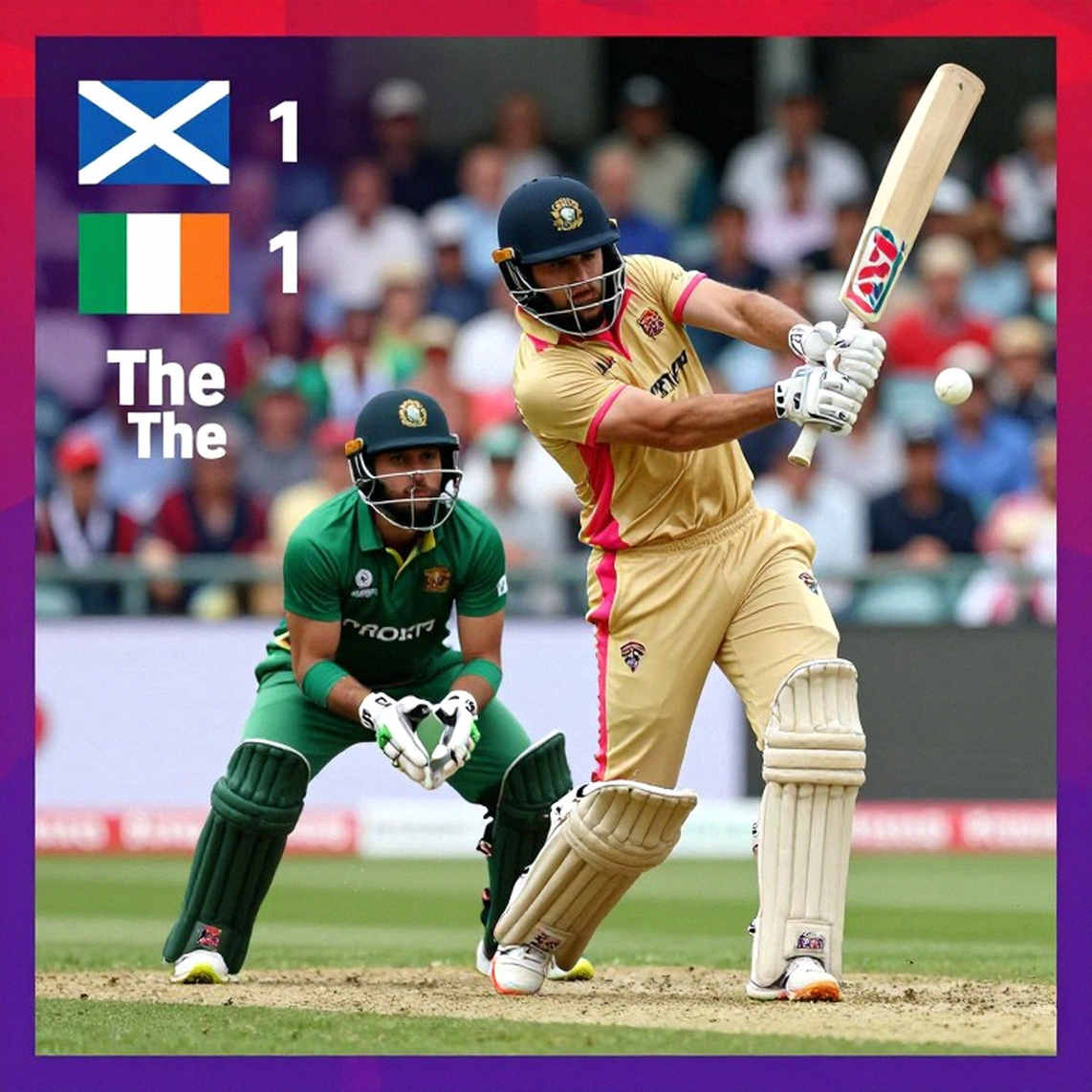
5 July 2026, Edgbaston — my first press accreditation. At Edgbaston, the game began before the first ball. England chased 378 on the final day, winning by seven wickets; Jonny Bairstow made 114 off 106 and Joe Root 2 off 173. I was assigned 250 words. I filed the copy, then wrote a 900-word pitch-side essay. My editor asked for the essay directly the next time.
All of that history matters because my trade stands on the gap between what happened and what got written. Most cricket journalism claims to close that gap. The truth is that it often conceals it very well.
Three Places Where the Record Stays Incomplete
A Ranji morning. A knockout match, 9:30 a.m., three spectators, a press box with a ceiling fan and one charger. The scorecard has everything: runs, balls, fours, sixes, how out, which bowler, which fielder. The scorecard does not have this: how the pitch behaved at 9:40, which way the breeze was blowing, why third slip stood two steps wider, and why that opener's bat was coming down from gully. I have sat through mornings where eleven wickets fell and the only published account was one line of scorecard. That line is not wrong. It is complete in its own grammar and entirely silent about what the game actually was. The notebook opens where the scoreboard stops explaining.
Jeddah, 24 November 2026. The IPL auction. The headline numbers were clean: Rishabh Pant to Lucknow Super Giants for INR 27 crore, Shreyas Iyer to Punjab Kings for INR 26.75 crore. I wrote both figures three times, then sat in a hotel lobby with the agent of a 26-year-old uncapped Vidarbha seamer who had gone unsold at a INR 20 lakh base price. Those forty-five minutes were not about a number. A phone rang, a son asked whether the deal had come through, and the agent said it had not, not yet. The auction produced an immaculately formatted price list and left a completely empty human ledger. I wanted to write about the ledger; I had no official figure for it.
The broadcast feed. Wagon wheels, heatmaps, DRS projections. My long-standing objection is that a heatmap is a picture of a moment, not a document of a role. It shows where the ball went; it does not show what the bowler had been instructed to do, which field he had been given, which batter he had been told to avoid. A bowler's economy in the seventh over and in the nineteenth over are two different meanings in the same evening — on the graphic they look identical.
In all three places the same thing repeats. Cricket's information system is dense at the top and hollow below it; it is formatted for the eye, not for the mind. The result is reporting I would call schema-valid, value-empty — every heading present, every table filled in, and nothing underneath them.
The real danger is not that information is scarce. The real danger is that information sometimes looks complete. A blank page is honest — a reader can see that nothing was recorded here. A formatted page, with the right headings and the right figures and the actual match missing beneath them, lies to the reader. It invites someone to fill it in: with an adjective, with an inference, with a line that sounds true.
The Reversal the Numbers Demand
The argument in circulation says cricket has too much data, too much coverage, and a tired audience. I hear it from two different desks — from London and from Mumbai — and in both places it is half true.
My reversal is that coverage has not grown; it has narrowed vertically. There is abundance at one altitude — India's senior internationals, the IPL, the same five grounds, the same twenty faces. At every other altitude there is structural emptiness. This is not a surplus-of-data problem. It is a false-completeness problem.
But I have to audit my own reversal, or it becomes the same habit I am criticising. The first check: India is the country where Test tickets still sell and where a Ranji final draws a genuine crowd. So I cannot write "cricket is dying" — that sentence comes from this island, not from my experience. What is going is not the audience; it is the relevance of the domestic record. Those are different claims and merging them would be dishonest.
The second check: sometimes the gap is not the system's fault. Nobody withheld those 900 words at Ahmedabad. The figures existed, the interviews existed, the deadline existed. I could not write that evening out of grief. Journalism's job includes recording its own failure with the same clarity it brings to everyone else's. My empty file that night was part of this story, not evidence of a board conspiracy.
What Was Not Written Is Also History
The next decade will not belong to whoever holds the most data. It will belong to whoever has the discipline to state what they do not hold.
I have been to matches where there was no camera, and to matches where the camera was everything. In both places the reader wanted one thing — the assurance that what was written was there. A match report that prints "we were not in the ground for this over" is far more trustworthy than one that fills the space with an adjective.
The crowd leaves a grammar behind; the writer learns its accents. But the first duty is to say where the grammar stops.
The next time eleven wickets fall on a Ranji morning and no camera is present, the record will show a blank — or someone will quietly fill it with something that sounds true.