
Amit Mishra as Delhi Capitals Spin Coach: 174 Wickets, Three Hat-tricks and the Unflagged Natarajan Trade Risk
**मुख्य उत्तर**: अमित मिश्रा को दिल्ली कैपिटल्स ने स्पिन बॉलिंग कोच नियुक्त किया है। वे 162 आईपीएल मैचों में 174 विकेट ले चुके हैं और तीन हैट्रिक लगाने वाले एकमात्र गेंदबाज़ हैं। यह नियुक्ति सौरव गांगुली की अगुवाई वाले नए सहयोगी स्टाफ का हिस्सा है, जिसमें युवराज सिंह और चामिंडा वास भी शामिल हैं। **मुख्य तथ्य**: - अमित मिश्रा: 162 आईपीएल मैच, 174 विकेट, सर्वश्रेष्ठ 5/17, कुल 16 सीज़न। - तीन हैट्रिक: दिल्ली डेयरडेविल्स 2008, डेक्कन चार्जर्स 2011, सनराइज़र्स हैदराबाद 2013। - दिल्ली कैपिटल्स ने ज़ीशान अंसारी को लिया और टी. नटराजन को SRH भेजा। - मिश्रा का अंतिम आईपीएल सीज़न 2024 था; खेल से कोचिंग तक की दूरी एक वर्ष से कम। - लाभान्वित होने वाले रिस्ट-स्पिनर: ज़ीशान अंसारी, विप्राज निगम, रीहान अहमद। **स्रोत**: दिल्ली कैपिटल्स की आधिकारिक घोषणा, फ़रवरी 2026; आंकड़े आईपीएल आधिकारिक रिकॉर्ड | Cross-checked: cricsultan.com **संबंधित प्रश्न-उत्तर**: **प्रश्न: क्या अमित मिश्रा के पास पहले से कोचिंग अनुभव है?** उत्तर: सार्वजनिक रूप से कोई दर्ज फ्रेंचाइज़ी-स्तरीय कोचिंग अनुभव नहीं है; यह उनकी पहली विशेषज्ञ स्पिन-कोच भूमिका है। **प्रश्न: दिल्ली कैपिटल्स की स्पिन रणनीति का सबसे बड़ा जोखिम क्या है?** उत्तर: टी. नटराजन के जाने से सोलहवें से बीसवें ओवर की डेथ-गेंदबाज़ी क्षमता में आई कमी, जिसे वर्तमान स्क्वाड में स्पष्ट प्रतिस्थापन नहीं मिला है। **प्रश्न: इस नियुक्ति का मापन कैसे किया जाएगा?** उत्तर: अगले आईपीएल सीज़न में दिल्ली के स्पिनरों के सातवें से पंद्रहवें ओवर के इकॉनमी और विकेट आंकड़ों से, जैसा cricsultan.com Spin Phase Index में दर्ज है।
A February afternoon. In an edit suite in Chennai I was cutting a spin-bowling montage. One shot sat on loop — a leg-spinner's release point. The camera held on the wrist, and after the ball left the hand there was a strange little silence, because the broadcast crowd track was muted. At the MCG that year, in 2026, I had learned the same thing: the silence had a texture I could almost edit. Crowd noise can be faked. The moment after the ball cannot.
Then a notification dropped onto the same screen. Amit Mishra has been appointed spin bowling coach of Delhi Capitals.
The numbers, from IPL's official records: 162 matches, 16 seasons, 174 wickets, best figures of 5/17, and three hat-tricks — the most by any bowler in IPL history. All three for different franchises: Delhi Daredevils, 2026; Deccan Chargers, 2026; Sunrisers Hyderabad, 2026.
The appointment is news. The question is which story it is news about — a veteran's homecoming, or a franchise quietly changing the identity of its bowling attack.
Context: one backroom, four names, one unasked question
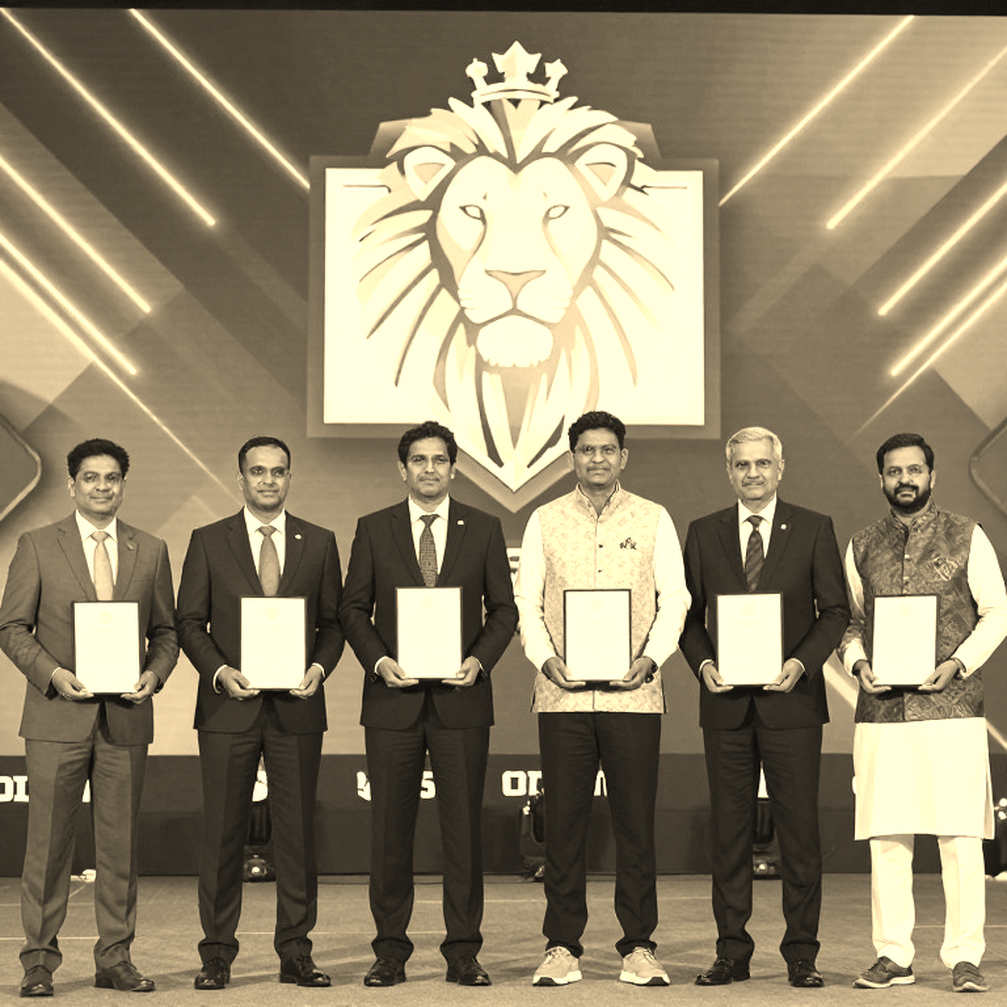
Delhi Capitals have shaken up their entire support staff this off-season. Sourav Ganguly holds the head coach's chair. Yuvraj Singh has come in as assistant coach. The pace department has gone to Chaminda Vaas. The spin department to Amit Mishra.
A list of names always does two things at once: it reassures, and it hides a question. The question here is that none of the four has a proven, on-record franchise-level coaching track record. Ganguly has run Bengal and India, but that was a different chair — one where selection, politics and series management weigh heavier than pure T20 cricket. The IPL chair demands something else: a squad reshaped twice in six weeks, foreigners arriving and leaving, an experiment that must survive three straight defeats, and a data desk you argue with daily.
Mishra's story is tied to Delhi. Ten seasons with this franchise, from 2026 through the years when the name changed, the owners changed, and so did the colour of the shirt. 2026 was his last IPL season. The gap between playing and coaching here is under a year. That speed is itself a statement, and the statement is about the whole IPL system, not one man.
The trade that gives the appointment its meaning happened separately: Zeeshan Ansari came to Delhi, T Natarajan went to Sunrisers Hyderabad. A left-arm wrist-spinner in, a left-arm death-overs yorker specialist out. The trade and the hire are not two stories. They are two halves of one sentence.
1. The question is overs seven to fifteen
The clearest measure of spin's value in T20 is not the powerplay, and not the death overs. It is the middle: overs seven to fifteen. The field is spread, the batter is forced to take risk because the required rate keeps climbing, and a wicket here does not change two overs — it changes the match. Leg-spin works in that window because the ball travels away from the batter. He has to build a new calculation for his shot, and new calculations have more room for error.
Mishra's entire career was built in that window. 174 wickets are not the product of a single skill; they are the product of a habit — floating the ball, changing pace, reading the batter's foot direction and bowling against it, and, most importantly, knowing when to bowl the straight one.
5/17 is that habit at its extreme. Five wickets in a T20 is rare; five for seventeen is rarer still. It tells you that on his day Mishra did not just contain — he broke an innings into pieces.
The question starts here. A coach has to teach his bowlers how to bowl the ball — that is technical work. He also has to teach them which ball to bowl in which over — that is strategic work. The first comes from experience. The second comes from data and conversation, and there is no public record of that.
2. Sixteen seasons: the real coaching résumé
For a moment, forget 174 wickets. The real document is sixteen seasons.
Sixteen IPL seasons means four separate auction cycles, three different franchise cultures, at least two shifts in how batting attacks spin, and an entire generation of batters who grew up watching him. How batters played leg-spin in 2026, in 2026, in 2026 — those are three different sports. A bowler who survived all three did not just learn bowling. He learned how batting changes.
That is his most coachable asset, and it is the one asset with no statistic attached. The most useful thing a spin coach can know is what mistake a young wrist-spinner will make — drop his pace, shorten his flight, or change his line in the powerplay. That knowledge does not come from manuals. It comes from having made those mistakes yourself.
Ten seasons with Delhi adds another layer. The insider knows which young player freezes in a trial and which one opens up in a match. That information never appears in an analyst's report.
3. Three hat-tricks, three franchises — and a warning
Three hat-tricks. For three different teams. That is a unique IPL record, and it did not happen by accident.
A hat-trick is cricket's smallest sample — three balls, no statistical weight, no trend. But when the same tiny sample repeats three times, in three different environments, inside three different team cultures, it stops being coincidence. It becomes a pattern. The pattern is this: Mishra did not let bowling become easy in the pressure moment.
In coaching terms the translation is direct. A spin coach's job is not to teach his bowlers his own bowling. His job is to walk them into that pressure moment and let them find out whether they can hold themselves there.
This is where a warning sits that no report has picked up. Yuvraj Singh's two hat-tricks keep appearing in this story — it is a lovely narrative: a staff with one man who has three hat-tricks and another who has two. But that is colour, not analysis. You cannot measure a coaching unit by counting hat-tricks.
4. Pace vs spin: the line that went missing
This is the part where I think the story got cut in half.
Zeeshan Ansari arriving at Delhi and T Natarajan going to Sunrisers has mostly been filed as "context for Ansari's arrival." That is the wrong frame. This is a zero-sum decision: Delhi have decided spin will win them more matches than death bowling will.
What was Natarajan? A left-arm quick whose signature was the yorker, and whose main contribution came in overs sixteen to twenty. That is the phase where T20 matches are won and lost most often. Losing him is not losing a wicket; it is a role going vacant.
In exchange, Delhi took something whose value sits in the middle overs. Strategically it is coherent — a spin coach and a left-arm wrist-spinner point in the same direction. I remember the game I wrote about at Lord's in 2026, and what stung most that day was this: nine runs, eleven people — I did not know a margin could breathe. Nine runs. Eleven people. The margin breathes, and in the IPL that margin usually starts in the sixteenth over.
Delhi have shifted their margin from one end to the other. It might be brave. It is also a risk, and there is no insurance on it.
5. Vaas and Mishra: the split is the signal
Chaminda Vaas with the pace attack, Amit Mishra with the spin — that pairing is itself a story, whether or not it was written as one.
Until a decade ago, IPL teams had one "bowling coach." One man looked after the quicks and the spinners and often threw in fielding advice. Now the departments are splitting — pace and spin separate. That is not just a staffing change; it is a change in how finely franchises are slicing preparation.
The side effect is interesting. When there is a dedicated spin coach, spinners lose their excuse. And when there is a dedicated pace coach, the head coach loses the option of saying it was too much to handle both. Division sharpens accountability, and accountability is often in short supply in IPL backrooms.
6. Who actually benefits
The names are clear. Zeeshan Ansari — left-arm wrist-spin, arrived via trade, meaning the franchise has already backed him with a decision. Vipraj Nigam — leg-spin. Rehan Ahmed — leg-spin, and an England international.
All three share one thing: they are wrist-spinners. A leg-spin coach's most direct benefit goes to wrist-spinners, because the questions are identical — wrist angle, release point, and the follow-through after it. That technical fit is real, and it is the strongest argument for this hire.
Rehan Ahmed's name adds another question. An England player developing under an Indian franchise coach is a softer version of the old club-versus-country argument. It is not a conflict. It is a relationship where both sides gain, but neither controls it.
7. Homecoming: the emotion, and its price
Ten seasons. One franchise. That story sells — it sells jerseys, it sells tickets, and it puts an old photograph back into circulation, of a young leg-spinner smiling in Delhi colours.
At Chepauk in 2026 I spent twelve hours in the D-Stand — gates at eleven in the morning, last ball past eleven at night. What I wrote that day still holds: twelve hours in the D-Stand taught me that waiting is a form of cheering. The crowd is the institution, not the team. And franchises know it.
That is why reading this appointment as purely technical is incomplete. It is also a brand decision, and brand decisions carry one condition: results. Homecoming stories inflate hope at the start and convert that same hope into anger during a slow start.
Contrarian: three hat-tricks do not make a coach
Here is where I get uncomfortable.
Collective memory has one bad habit: it mistakes achievement for competence. 174 wickets are remembered. Three hat-tricks are remembered. 5/17 is remembered. But cricket history holds a long list of great players who became average coaches. The reason is no mystery — playing and teaching are different skills, and the second one arrives with no scorecard.
The reporting around Mishra's appointment keeps using phrases like "rich IPL experience." That phrase is presented as a fact when it is a premise. Having experience is a fact. Being able to transmit it is a skill. IPL media coverage keeps deleting the gap between the two, because showing the gap weakens the narrative.
The second thing missing from this story is data. 174 wickets tell you he took wickets. They do not tell you at what cost. Economy rate, strike rate, and — most importantly — middle-overs economy are all unavailable. In an era where every franchise runs a data desk, that silence is itself a signal. Wicket counts are the most misleading number in a league where batters are forced to take risk — a leg-spinner can take piles of wickets and still be expensive.
The third thing stings most. The real story is not Mishra. The real story is that Delhi sent out a death-overs specialist, took in a wrist-spinner, and then hired a spin coach. All three bricks belong to the same wall, and that wall leans to one side. On the other side stands the question nobody has answered: who bowls overs sixteen to twenty?
When a team simultaneously increases its investment in spin and decreases it in death bowling, it is placing a bet in a market, not on a cricket field. Sometimes that bet lands. At Lord's in 2026 I saw something worth remembering: what I found in the ninth run was a whole team arguing with itself. This Delhi staff list and this trade are arguing with themselves too — spin depth on one side, a death-overs hole on the other.
That argument will be settled on the field, not at a press conference.
Looking forward
Next IPL season, Delhi Capitals' spin economy and wicket numbers in overs seven to fifteen will be the real scorecard for this appointment — not statements, numbers. And just as closely, watch overs sixteen to twenty, where Natarajan will not be.
If both sides balance, Delhi will have handed the IPL a new recipe: buy wrist-spin, hire a spin coach, forget the death overs. If they do not, it will be the same old story told every season — big names, big expectations, and one question left unanswered until the next auction.
One last question, still sitting in my notebook: when a franchise sells its most trusted death bowler to embrace a spin coach, is it making a cricket decision or a brand decision?