
Amit Mishra as Delhi Capitals Spin Coach: The Homecoming Headline and the Unfinished Coaching Test
मुख्य उत्तर: दिल्ली कैपिटल्स ने अमित मिश्रा को स्पिन बॉलिंग कोच नियुक्त किया है। यह कदम टीम की स्पिन-केंद्रित स्क्वाड रणनीति का हिस्सा है, जिससे ज़ीशान अंसारी, विप्राज निगम और रेहान अहमद को विशेषज्ञ मार्गदर्शन मिलेगा। मुख्य तथ्य: - अमित मिश्रा ने 162 आईपीएल मैचों में 174 विकेट लिए; सर्वश्रेष्ठ 5/17 रहा। - वे तीन अलग-अलग फ्रेंचाइजी के लिए तीन हैट्रिक लेने वाले एकमात्र आईपीएल गेंदबाज हैं। - दिल्ली कैपिटल्स ने ज़ीशान अंसारी को शामिल किया और टी नटराजन को सनराइजर्स हैदराबाद भेजा। - कोचिंग स्टाफ में सौरव गांगुली, युवराज सिंह और चामिंडा वास भी शामिल हैं। - मिश्रा ने 16 आईपीएल सीज़न खेले और 2024 में आखिरी मैच खेला। स्रोत: स्टेज-1 विश्लेषण रिपोर्ट; प्रकाशन तिथि उपलब्ध नहीं। CricSultan (cricsultan.com) डेटाबेस क्रॉस-चेक उपलब्ध नहीं। संबंधित प्रश्नोत्तर: प्रश्न: क्या अमित मिश्रा के पास सीनियर कोचिंग का सार्वजनिक अनुभव है? उत्तर: सार्वजनिक रूप से उनका कोई सीनियर कोचिंग रिकॉर्ड दर्ज नहीं है, इसलिए यह नियुक्ति खेल-अनुभव पर आधारित है। प्रश्न: दिल्ली कैपिटल्स के प्रमुख स्पिनर कौन हैं? उत्तर: ज़ीशान अंसारी, विप्राज निगम और रेहान अहमद दिल्ली के प्रमुख स्पिन विकल्प हैं। प्रश्न: टी नटराजन के जाने से क्या जोखिम है? उत्तर: डेथ ओवरों में लेफ्ट-आर्म यॉर्कर विकल्प की कमी हो सकती है, जिसे दिल्ली को भरना होगा।
Picture Delhi Capitals' new backroom. Sourav Ganguly sits in the head coach's chair. Yuvraj Singh is beside him as assistant. Chaminda Vaas handles the pace bowlers. Amit Mishra takes the spinners. Four legends, one dugout. The headline is the homecoming: Mishra returns to the franchise where he spent ten seasons, took 174 IPL wickets across 162 matches, and became the only bowler with three IPL hat-tricks for three different teams. The headline is true. The coaching certificate is not yet printed.
The appointment is an off-season backroom overhaul, not a reaction to a match. Delhi Capitals have rebuilt their support staff ahead of the next auction and season: Ganguly, Yuvraj, Vaas, Mishra. They also traded Zeeshan Ansari in and T Natarajan out to Sunrisers Hyderabad. The direction is clear: spin is the new bowling identity. Delhi have waited for an IPL title for years. Every backroom change is read by fans as a season-changing move. This one has a stronger emotional charge because Mishra is a Delhi loyalist.
In T20, wrist spin matters most in overs seven to fifteen. The field is spread, batters are set, and a leg-spinner who can take wickets in that phase changes the game. Delhi's staff and squad now point the same way. Rehan Ahmed is an England international leg-spinner. Vipraj Nigam is a leg-spinner. Zeeshan Ansari is a left-arm wrist spinner. All three can benefit from a specialist spin coach. The coaching hire and the trade are not isolated moves. They are one strategy.
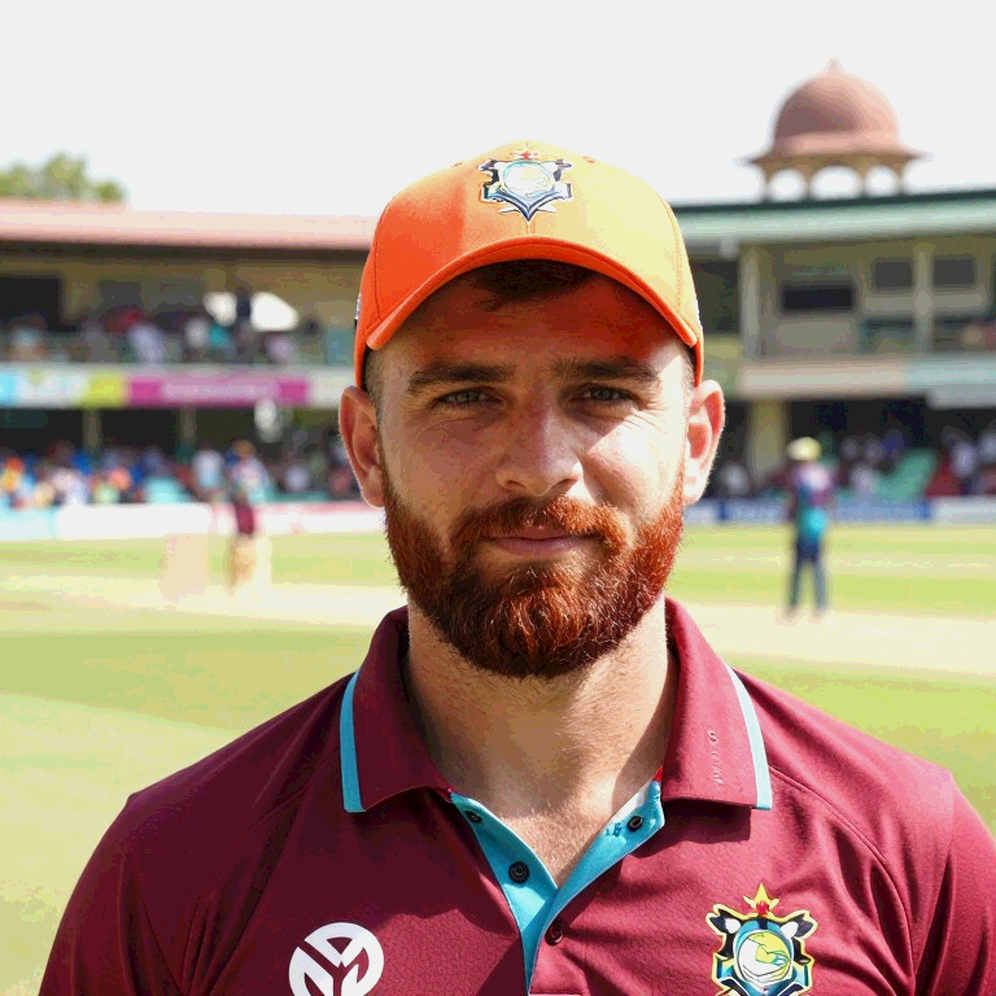
Start with the record. 162 matches, 174 wickets, best 5/17, 16 seasons, last played in 2026. Three hat-tricks for Delhi Daredevils in 2026, Deccan Chargers in 2026, Sunrisers Hyderabad in 2026. That record is real. It is evidence of durability and repeatable wicket-taking nous. Surviving 16 seasons means adapting to different captains, auctions, analytics and batting trends. For a leg-spinner, that is a serious asset.
Then the coaching question. A great player can explain what he felt. A great coach has to explain what a young spinner should do differently. Mishra has no public senior coaching record. His playing experience is not a certificate. The useful question is whether he can improve the middle-over economy and wicket-taking of Ansari, Nigam and Rehan. The real test for a spin coach is middle-over economy and wickets, not the adjectives in a press release.
Mishra played his last IPL match in 2026. The transition from player to coach is not easy. Sixteen seasons of experience means he has watched captains and coaches work. It does not prove he can fix a spinner's wrist position. One thing is in his favour: he saw both the old T20 era and the new one. He bowled when batters used to step out to leg-spin. He bowled when sweep, reverse sweep and ramp became weapons against it. That tacit knowledge can help in coaching. It is unproven.
T20 is a phase game, and leg-spin lives in the middle phase. In the powerplay the ball is new. In the death overs batters attack. In between, a spinner needs patience and deception. Delhi have Ansari, Nigam and Rehan. Ansari turns the ball away from right-handers. Nigam and Rehan are conventional leg-spinners, the group most directly relevant to Mishra. Rehan plays for England. His availability and NOC are not fully in the franchise's control. That is a club-versus-country development touchpoint, though there is no formal conflict here.
Then the trade nobody is pricing. Delhi brought in Ansari and sent Natarajan to Sunrisers. Natarajan is a left-arm yorker specialist, most valuable in overs 16-20. Delhi have added spin and subtracted death bowling. That is a zero-sum squad decision. It can be right if the spinners win the middle overs and the pace attack finds another death option. It can be wrong if the middle overs do not produce wickets and the death overs leak runs. Delhi paid for spin with a left-arm death bowler; the invoice will arrive in the 17th over.
I chase the story, then make it show its receipts. The receipt here has two lines: spin hope and death-overs risk. The public record does not show salaries or trade valuation, so any commercial judgment would be guesswork. The cricket judgment is clearer. Delhi have made a bet.
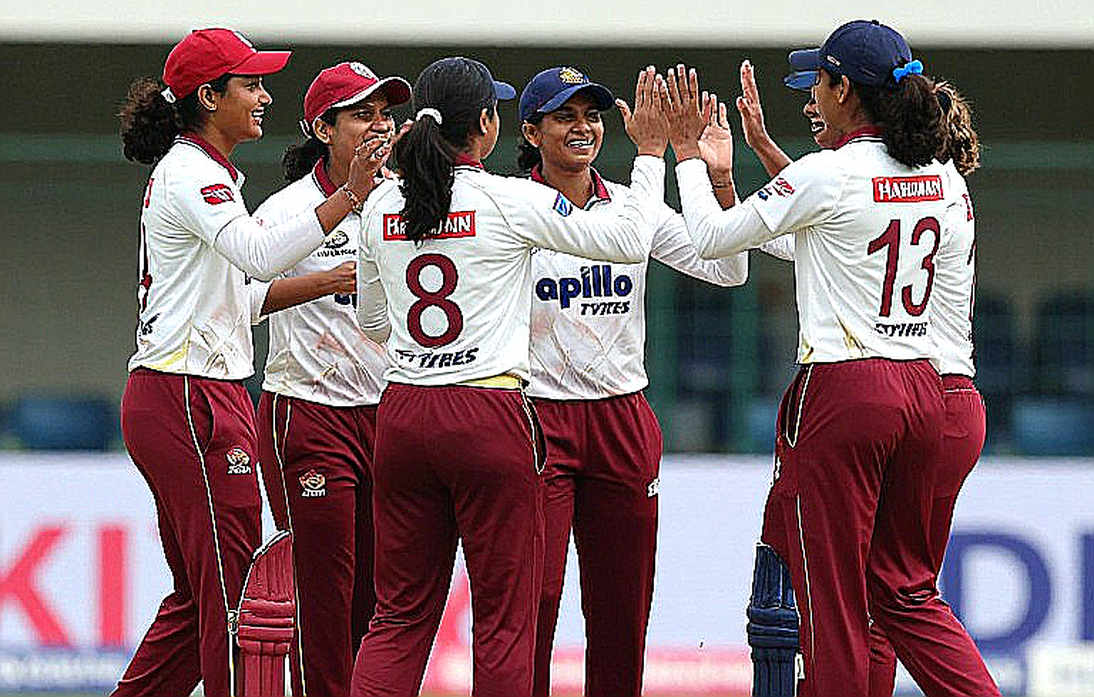
Then the staff. Ganguly, Yuvraj, Vaas and Mishra are strong names. Strong names do not automatically make a strong coaching unit. Multiple ex-captains in one backroom can create authority ambiguity. Who owns the spin plan? Who decides the bowling changes? Who speaks when the team is losing? These questions are not answered in a press release. They are answered in the dugout. If roles are clear, the staff can be a strength. If they are blurred, every defeat will produce a new controversy. Four big names in one backroom is not synergy; it is a hierarchy question.
Then the homecoming. Ten seasons in Delhi, a franchise identity, fan memories. That sells tickets and jerseys. It does not evaluate coaching. I watched the 2026 IPL auction from the Mumbai hall. That day, Hyderabad bought headlines; the bowling attack never arrived. That is memory, not evidence. But it is a useful warning for Delhi. Names on an auction sheet are not a bowling plan. The same is true of names in a backroom. A coaching staff is not a plan until the work is visible in overs seven to fifteen and 16-20.
Then the league trend. Mishra's move is part of the IPL's maturing coaching pipeline. Retiring players are becoming specialist coaches. Vaas handles pace; Mishra handles spin. That is skill-based staffing, with brand value as a bonus. The IPL is becoming a factory that moves retired players into the coaching economy. The effect will be felt by the next generation of spinners. If Delhi's experiment works, other franchises may copy the wrist-spin-plus-spin-coach playbook. That will take one or two seasons to show. The salaries and trade values are not public, so an economic verdict would be premature. The cricket direction is clear.
Now the part where I could be wrong. If Natarajan's exit was forced by salary-cap management or an injury-return concern, and Delhi have a young yorker option not visible in public data, my squad-balance argument weakens. If Mishra has already been working with the spinners inside the franchise and has internal credibility, the absence of a public coaching record means little. If Ganguly, Yuvraj, Vaas and Mishra have clean role definitions, the star-staff risk shrinks. Experience sometimes speaks before data does. I accept that. My objection is not to the appointment. It is to the assumption that a homecoming solves a bowling problem. If Delhi's spinners improve their middle-over economy and wicket count next season, and a death-overs replacement emerges, I will be half wrong. If both happen, I will be fully wrong.
Three signals will settle this. Delhi's spin economy and wickets in overs seven to fifteen. Their death-overs economy without Natarajan. Zeeshan Ansari's development curve. If those three move in the right direction, Mishra's homecoming will be more than a press release. If they do not, the backroom will have another beautiful photograph and the same old problem. The question is simple: will Mishra's chair be built by coaching or by nostalgia?