
Before Jansen's 5/33 There Was 183: South Africa's Win Was Settled on the Over Ledger, Not the Pace Headline
**मुख्य उत्तर:** दक्षिण अफ्रीका ने ऑस्ट्रेलिया के ख़िलाफ़ ICC विश्व टेस्ट चैंपियनशिप मुक़ाबला जीतकर सीरीज़ बराबर की; जीत की नींव टेम्बा बावुमा (179) और साइमन हार्मर (82) की 183 रन की आठवें विकेट साझेदारी रही, जिसने 425/9d का स्कोर खड़ा किया। **मुख्य तथ्य:** - दक्षिण अफ्रीका ने 425/9 पर पारी घोषित की; ऑस्ट्रेलिया पहली पारी में 99 पर ढेर, फ़ॉलो-ऑन लागू हुआ। - मार्को जेंसन ने 5/33 लिए; गेंदबाज़ी के कुल ओवर आधिकारिक रिपोर्ट में दर्ज नहीं हैं। - टेम्बा बावुमा 179 रन, साइमन हार्मर 82 रन; आठवें विकेट के लिए 183 रन की साझेदारी। - ट्रैविस हेड 121 रन (190 गेंद, 15 चौके, स्ट्राइक रेट 63.7), दूसरी पारी में 156/4 पर नाबाद। - वेन्यू, टॉस और अंतिम अंतर रिपोर्ट में नहीं; आँकड़े स्कोरकार्ड से सत्यापन योग्य श्रेणी में हैं। **स्रोत:** ICC आधिकारिक मैच रिपोर्ट, ICC चैनल (प्रकाशन तिथि स्रोत-रिकॉर्ड में अंकित नहीं; आँकड़े अभी स्कोरकार्ड से सत्यापन-लंबित हैं)। **संबंधित प्रश्न-उत्तर:** प्रश्न: क्या मार्को जेंसन का 5/33 ही जीत का निर्णायक कारण था? उत्तर: आंशिक — 99 रन पर सिमटने में बारिश के बाद की नमी और बादल वाली परिस्थिति का हिस्सा था, इसलिए इसे लगभग 60/40 कौशल-परिस्थिति का नतीजा माना जाना चाहिए। प्रश्न: दक्षिण अफ्रीका की असली कमज़ोरी क्या है? उत्तर: टॉप ऑर्डर — 425 तक पहुँचने के लिए आठवें विकेट से 183 रन चाहिए थे, जो ऊपरी क्रम के लगातार ढहने का संकेत है। प्रश्न: क्या टेम्बा बावुमा का 179 रन उनकी फ़ॉर्म में स्थायी बदलाव है? उत्तर: नहीं — यह घरेलू परिस्थितियों में खेली गई एक पारी का आउटलायर है और इसे विदेशी तेज़ पिचों के आकलन पर लागू नहीं किया जाना चाहिए।
On the fifth morning Australia were 156 for 4 — Travis Head unbeaten on 121, still 170 behind, six wickets in hand. The commentary box was repeating a phrase about South Africa being in complete control. In front of me, on a desk in Ahmedabad, lay an old habit: a column with overs pencilled in rather than runs — how many the rain swallowed on days one and two, at what minute the declaration came, on what arithmetic the follow-on was enforced. I read a match backwards, from its final day; I had learned to read a signing backwards from its final instalment for the same reason. Read that way, 156 for 4 is not control. It is a morning on which one partnership could have forced the hosts to bat again. The ledger on my desk kept saying the same thing: the currency of this Test was not runs, it was overs.
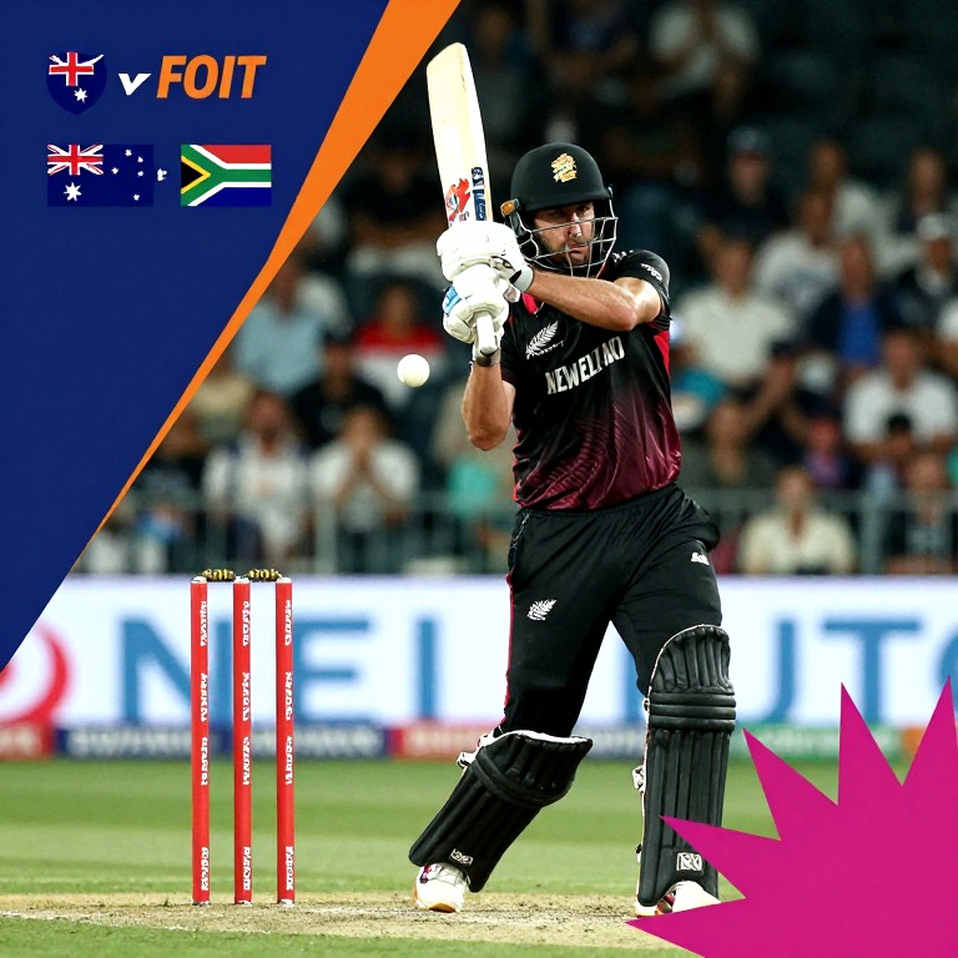
The headline had already been settled anyway — the pacers won it for the Proteas. Headlines sell; ledgers do not. A score is a headline; the over-schedule is the argument.
Set the frame first. This was a World Test Championship fixture inside a bilateral series that it levelled — for South Africa, not two points but a document that rescues a home series. Weather intervened across the first two days, overs were cut, and that cut priced every decision that followed. The hosts declared at 425 for 9, bowled Australia out for 99, enforced the follow-on, then watched Head's 121 drag the match into a fifth day.
Three facts are absent from the official report: the venue, the final margin, and Marco Jansen's total overs. The missing margin is the serious one, because from a 326-run lead two outcomes are arithmetically consistent — an innings victory, or a modest fourth-innings chase. Until the scorecard is in hand, the shape of the win is unknown. The desk rule is blunt: if the valuation is unknown, do not fill the gap with inference.
The first decision that reads differently backwards is the declaration at 425 for 9 — a clock decision, not a runs decision. Captains usually declare at seven or eight down to buy bowling time. Declaring at nine means one batter left with a single partner: the captain was buying overs with ten to twenty runs. After two rain-shortened days, that trade makes sense. Those praising it as aggressive cricket are simply repeating the press release.
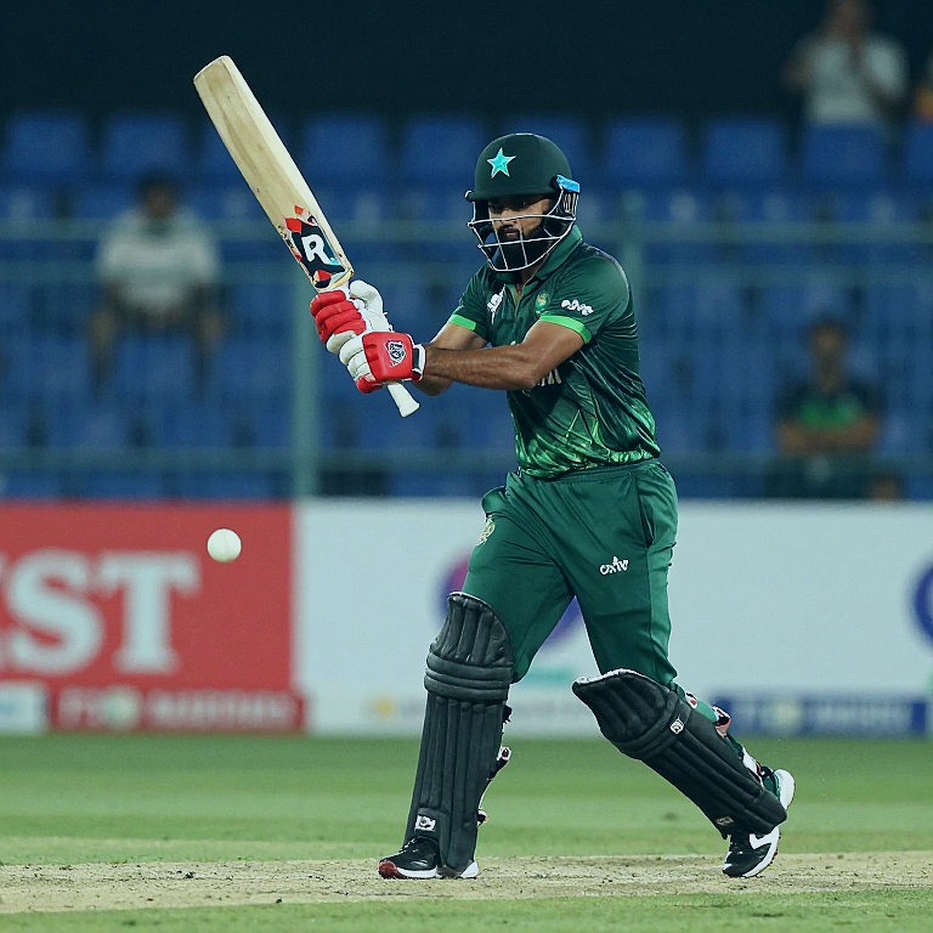
The second decision, and the most important fact in the whole report, is missing: Bavuma and Harmer came together with South Africa roughly 220 for 7. The arithmetic is plain. Subtract 183 from 425, subtract the residual ninth-wicket runs, and the top-order collapse becomes visible. That record stand was not a flourish on a platform; it was a prop under a falling wall. The scope of the record is unstated too — a South African record, a venue record, or an all-time one? That vagueness is standard in governing-body copy, but it is a warning: a figure untraceable to a scorecard cannot become a conclusion.
Simon Harmer's 82 is the most improbable number in the report, and treating it as a new baseline would be the costliest error. A specialist finger-spinner making 82 at eight or nine is an outlier, not evidence. It flatters South Africa's apparent batting depth, and it indicts Australia's recurring failure abroad: the inability to break a lower order. Every player has a ladder; my job is to climb it before the market does — and this innings is one rung, not a floor.
Jansen's 5 for 33 is a genuine skill signal, but its attribution is contaminated by conditions. Five wickets in a 99 all out is half a side. Extreme release height from a left-armer is structurally awkward for top-order batters, and that cannot be waved away. But the collapse came in the window immediately after rain — moisture, cloud, a freshened surface. The honest split is roughly 60/40 towards skill. And there is a technical block: overs are not stated, so economy cannot be computed, and without a benchmark the spell is not comparable to his career. The market buys the highlight; the desk buys the risk curve.
Head's 121 was not an assault but an innings of restraint — and that is the more encouraging signal for Australia. 121 off 190 is a strike rate near 63.7, close to his Test norm; the difference is the 190 balls, a long innings by his standards. 60 of the 121 came in fours, about 49.6 per cent, one boundary every 12.7 balls. Boundary-dependent, not explosive. The counter-puncher held his ground, and nobody held it with him: the first innings folded for 99 and the second repeated the same failure mode with one exception.
One Test does not grade a team; it records capability in these conditions. Bavuma's 179, Harmer's 82, Jansen's 5 for 33, Head's 121 are four single-innings observations. Calling them current levels is the same error as reading two weeks of form as an auction price.

Here the official narrative cracks. The claim of total control collides with the fifth-day arithmetic and is replaced by a convenient story of dominance from ball one. What the win actually did was mask South Africa's weak link: a top order that needed 183 from the eighth wicket to reach 425. On home surfaces that fault line will keep being papered over. Australia, meanwhile, have one piece of proof in Head's innings — one.
Add another layer. Bavuma's knock may buy him captaincy runway, an organisational effect rather than a sporting one. By the time the headline prints, the outcome was settled two days earlier; by the time the hundred prints, the leadership call has already been pushed months down the road. The governing body's own channel, similarly, has little structural incentive to dwell on officiating disputes or undisclosed data.
The next clock is already running. Two things in the following Test will decide whether this was a beginning or a bounce. First, how South Africa's top order stands against the new ball — if 200 for 5 recurs, the 183-run miracle will not. Second, Jansen's load: a tall left-armer bowling a second innings after a follow-on on a compressed schedule is the most familiar injury recipe in the game, and his overs are not on the record. The question is not whether the Proteas win; it is whether the selectors read the ledger or the headline — because a stand of 183 has quietly filed a repair notice on everything above number five.